Introduction
As summer time procedures, the sweltering heat can make lifestyles uncomfortable with no a authentic aircon approach. Whether you’re seeking to purchase an air conditioner online or install one you already possess, knowing tips to efficiently install an AC unit is primary. This consultant adds a comprehensive tick list for DIY air conditioner install, guaranteeing you've your complete assistance you want to save your own home cool and comfy.
This article will disguise every thing from selecting the appropriate length of AC unit to know-how what form of air conditioner fits your desires most beneficial. We’ll additionally delve into the most important steps interested in installing and maintenance, aiding you circumvent widespread pitfalls. So, permit’s dive in!
A Complete Checklist for DIY Air Conditioner Installation
Installing an aircon unit could look daunting initially, yet with the properly guidance and https://postheaven.net/pherahcsbz/fast-ac-repair-near-me-common-parts-replaced-during-emergencies awareness, it could be a elementary activity. The following tick list breaks down the crucial steps and considerations for a effective install.
Understanding Your Needs
What Size of AC Unit Do I Need?
Choosing the correct measurement of your aircon unit is critical for most useful functionality. An undersized unit will conflict to cool your area, at the same time as an outsized one might cycle on and off too in the main, main to inefficiency.
- Calculate BTUs Needed: The cooling skill of AC sets is measured in British Thermal Units (BTUs). To make sure how many BTUs you desire: Measure your room dimensions (duration x width). Multiply total rectangular photos through 20 BTUs.
Example: For a four hundred sq feet room:
400 sq ft x 20 BTUs = eight,000 BTUs is needed.
How Do I Know What Type of Air Conditioner to Buy?
The type of air conditioner you settle on relies on different factors which includes budget, room design, and private preferences. Here are a few time-honored versions:
Window Units: Affordable and uncomplicated to put in; precise for single rooms. Split Systems: More green; first-class for cooling dissimilar rooms. Portable Units: Versatile; ideal for those who need mobility. Central AC Systems: Best for increased homes requiring total-condo cooling.Gathering Tools and Materials
Before starting your installing venture, ensure you've gotten the whole invaluable instruments:
- Screwdrivers (flathead and Phillips) Measuring tape Level Power drill Circuit tester Safety goggles Duct tape Insulation tape
Preparing for Installation
Selecting the Right Location
Choose a situation that maximizes efficiency. Ideally, location your unit in a shaded location that avoids direct sunlight that may avert efficiency.
Checking Electrical Requirements
Ensure that your electrical method can deal with the load of the new AC unit:
Confirm voltage standards (most units require both 115V or 230V). Check circuit breakers to make certain they tournament requirements. Consider hiring an electrician if you happen to're doubtful about electrical work.Installation Steps
Step 1: Preparing the Space
Clear out any obstacles the place you are going to set up the AC unit. If it is a window unit, do away with any displays or limitations briefly.
Step 2: Installing Window Units
For window gadgets:

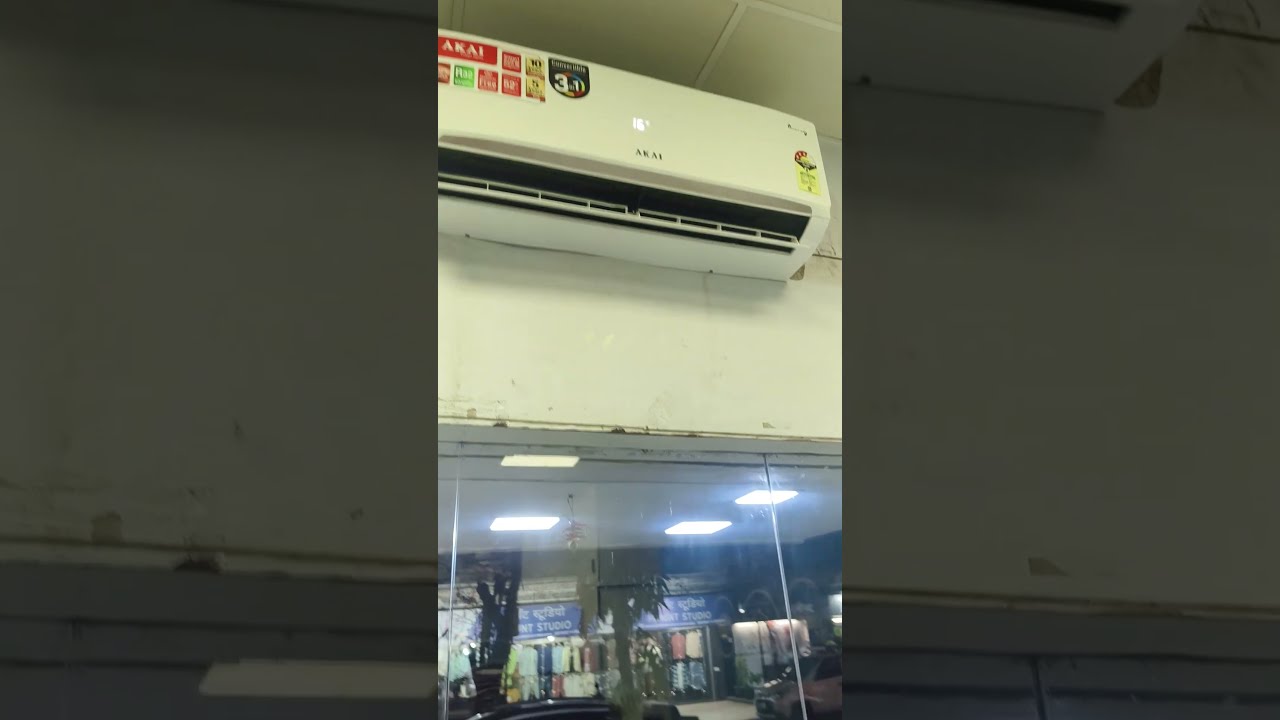
Step three: Setting Up Split Systems
For break up methods:
Install indoor ingredients on walls away from direct solar. Drill holes for refrigerant lines by walls. Connect indoor and outside sets as consistent with manufacturer tips.Testing Your Installation
Once established, it’s time to check your new AC formulation:
Turn on capability at circuit breaker. Set thermostat to wanted temperature. Check airflow because of vents; listen for unfamiliar sounds which might imply disorders.Maintenance Tips Post-Installation
Maintaining your AC machine no longer simplest prolongs its lifestyles yet ensures powerful operation:
Change filters progressively (each 1–three months). Clean condenser coils as soon as per season. Schedule specialist inspections each year.Frequently Asked Questions
1. Can I Install My Own AC Unit?
Absolutely! Many homeowners effectually deal with DIY installations with careful planning and adherence to safe practices protocols.

2. How Long Does It Take to Install an AC Unit?
Typically, it takes approximately three–6 hours depending at the kind of unit and past revel in.
three. Do I Need Permits for Installation?
Check nearby rules as allows for could be required primarily based on native construction codes.
four. What Should I Do if My AC Isn’t Cooling Properly After Installation?
If cooling concerns come up submit-installation:
- Check if filters are sparkling, Ensure home windows are sealed, Review setting up training for proper setup.
5. Is It Cheaper to Hire Professionals Than Doing It Myself?
While hiring professionals incurs exertions rates, DIY can store dollars once you're knowledgeable and stick with policies fastidiously.
6. Where Can I Find The Best AC Companies in Canada?
You can locate respectable organizations indexed at ACprices.ca, which serves as an in depth directory of good quality provider prone across Canada.
Conclusion
In summary, installing an air conditioning unit doesn’t ought to be overwhelming with our entire list to hand! By understanding your needs— from sizing up your area thoroughly to deciding on top gear— and adhering carefully to each step outlined above, you might be good for your approach in the direction of playing a groovy sanctuary all the way through those sizzling summer season days.
Whether you're installing a window unit or deciding upon greater elaborate cut up procedures, this e book has equipped you with important insights into nice deploy practices even though also emphasizing ongoing renovation desires— guaranteeing long-term satisfaction along with your investment in consolation!
Now that you've were given all this understanding at your fingertips—are you waiting to deal with that DIY venture expectantly? Remember perpetually prioritize defense! Happy cooling!